Fleet electrification, ports and aviation: Steer’s outlook on 2026 infrastructure transactions
As markets adjust and confidence returns, this article examines what recent transport transactions signal for infrastructure investment in 2026.


What does 2026 have in store for infrastructure investors?
In 2025, we predicted that increased interest rate cuts and major elections the previous year would create dynamic activity and deals across four sectors: rail, bus fleet electrification, ports, maritime and e-mobility.
Successful deals reported by Inframation over the last 12 months show a boost for transactions in established industries such as maritime and aviation, with less mature energy transition sectors down.
Industry-Wide Transport Transactions — Adjusted Deal Count by Sector
(Calendar Year 2024 vs 2025, post-reclassification)
| Sector | 2024 Deals (Adjusted) | 2025 Deals (Adjusted) | Change (2025 vs 2024) |
|---|---|---|---|
| Roads (incl. bridges & tunnels) | ~160 | ~148 | -12 |
| Maritime (Ports & Ferries) | ~92 | ~97 | +5 |
| Aviation (Airports) | 60 | 75 | +15 |
| E-Mobility (EV charging & platforms) | ~66 | ~50 | -16 |
| Bus Electrification (E-bus fleets & infrastructure) | ~26 | ~13 | -13 |
| Rail – Rolling Stock / Fleets | ~32 | ~24 | -8 |
| Rail – Infrastructure (HSR, metro, heavy rail) | ~16 | ~11 | -5 |
| Other / Unclassified Transport | ~58 | ~44 | -14 |
| Total | ~480 | ~442 | -38 |
The total number of deals is down around 10%, reflecting continued worldwide geopolitical instability and economic headwinds. The number of successful refinancings was up, suggesting that lower interest rates in the US, UK and Europe have had an effect. From there, we can see signs of an increase in green and brownfield activity in the sector as confidence returns, though high construction costs and reduced government budgets are still a drag.
E-mobility and bus electrification: from early-stage growth to market reality
What is perhaps most interesting is the reduction in successful e-mobility and bus electrification transactions. Electrification is certainly moving from niche to normal in some transport sectors and in some territories. But the relative immaturity of the market and the demands of the early investors are constraining deal-making as the industry tries to scale up to the mass market. However, those constraints are not insurmountable, and solutions – whether it be realignment of the expectations of existing equity or better fundamentals (such as market size and utilisation) – will make more and better deals possible.
Ports and ferries: why maritime assets remain attractive
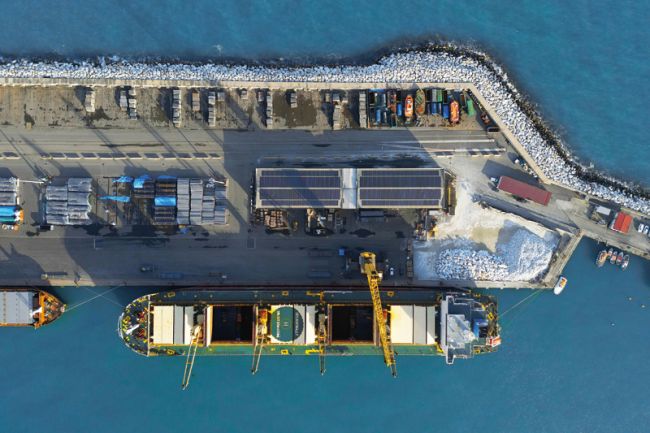
In 2026, the ports and ferries transaction landscape is expected to remain strong, including both brownfield (in particular in North America and Europe) and greenfield (especially in LATAM and Africa) assets. The complexity and resilience of the sector will drive appetite for different types of assets, with opportunities in container terminal transactions to cater evolving patterns of international trade, in the bulk and break bulk sector, in particular in relation to energy and industrial good supply chains, as well as in the touristic and passenger sector (cruises, marinas and ferries). A robust relationship between the public and the private sectors will be central. The exact shape of this relationship will differ across the sector, but it will need a clear allocation of responsibilities to meet the mutual ambitions of the parties and ensure the success of the deals.
Airports: privatisation, P3 models and the next wave of investment
In 2026, the airport investment landscape is expected to accelerate, driven by privatisation programs and strong private equity interest. Regions like India are advancing with their new wave of privatisations, while Europe continues to have a high activity of equity and debt transactions of already privatised airports. In the U.S., public-private partnership (P3) models remain a focal point, with NY airports attracting investor attention. Globally, concession-based structures dominate, and private equity-backed deals are forecast to deliver the most significant improvements in efficiency and infrastructure. With institutional investors and pension funds actively seeking stable, long-term assets, 2026 is shaping up to be a pivotal year for airport share transactions and ownership restructuring.

Turning investment uncertainty into confident decisions
If you’re planning an investment in 2026, our integrated team of commercial, technical, financial, and ESG specialists helps you move faster, reduce risk, and make decisions with greater certainty across transport, energy, and social infrastructure.
Get in touch with Jon Peters for an informal conversation →
Deepen your understanding before you decide.
Join our expert-led webinar exploring the opportunities, funding landscape, and real-world delivery of low-emission fleets, with insights from Steer, IFC, SMBC, and more.