Turning ambition into reality: delivering the UK’s zero-emission bus transition
At Steer’s inaugural Top Deck Views event, leaders from across the UK bus sector discussed the opportunities and challenges shaping the transition to zero-emission bus networks.


How do we continue the momentum of the zero-emission bus (ZEB) transition and turn the ambition of a 100% ZEB fleet into an operational reality on the streets of the UK?
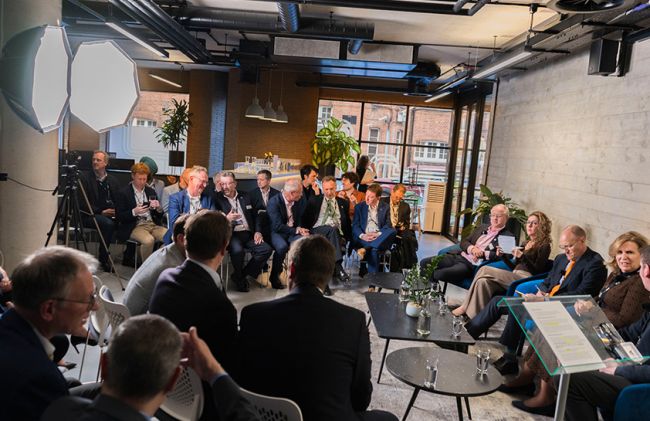
That was the focus of our inaugural Top Deck Views event, ‘Planning, Franchising and Financing the Zero-Emission Bus Transition’, which brought together leading voices from across both the sector and all regions of the UK.
The reality of delivering ZEB networks at scale is exciting and challenging, but thanks to political will and operational know-how, it is possible.
We heard lessons from London where there are thousands of ZEBs in operation in an established franchised and dense urban network, from South Yorkshire at the start of its transition of depots and fleet as part of franchising in a mixed city/rural environment, and from the West of England which is working under in partnership with local operators to deliver improvements and faces the challenges of a network that span cities and rural hinterlands.
With thanks to our speakers,
- Garry Birmingham FCILT, Managing Director, Rock Road
- Pam Turton, Director of Bus Operations, West of England Mayoral Combined Authority
- Matt Goggins, Director of Bus Franchising, South Yorkshire Mayoral Combined Authority
- Geoff Hobbs, Director of Public Transport Service Planning, Transport for London
The conversation made it clear: the transition is already underway, and positive outcomes have been achieved through clear policy direction, government funding, and the skills of the private operators to adapt and embrace the zero-emission technology. However, delivering a full transition brings complex operational, financial and infrastructure challenges.
Our key takeaways are:
The bus sector has unique strengths: While ZEBs are relatively new, the bus sector has indispensable institutional knowledge that can be drawn on to meet the challenges of franchising and decarbonisation.
Electrification is about more than just the buses: depot electrification, the intricacies of battery management and charging schedules all featured highly in our discussion. There were positive stories about the total cost of ownership of ZEBs and their lifecycle price compared to traditional models, and about the depots responsible for them, but how ZEBs function in the long term still raises questions.
Governance and partnerships: Whilst significant strides have been taken in consolidating bus and transport funding into multiple-year funding determinations at the local authority level, the UK bus network is still a complex patchwork of operators, funding pots, and governing bodies. When implementing ZEBs strategies it is vital to play to the strengths of partners in a realistic way so that all can benefit, sharing best practice across regions will help reach our ZEB future. The franchise environment will bring fresh challenges in terms of asset management of buses during and at the end of the contract handover. This is especially critical when Combined Authorities own the buses, as the lifespan of an electric bus is longer than a typical franchise contract, so it is critical that these assets are managed in a correct way with the correct technical knowledge.
Funding is an ever-present challenge: Authorities and operators have benefitted from significant amounts of capital funding through national programmes like ZEBRA, City Region Sustainable Transport Settlements and now Local Authority Bus Grants to fund the purchase of ZEBs. However, these public funding pots may not last forever; the allocation of funding is not even, and transitions have an inherent price tag. There will be a need to consider different financing options (including the consideration of private financing and leasing) for the buses in the future, especially if the current public capital funding levels change.
Franchising may help but is not the whole answer: the stability that franchising offerscan be a key enabler of long-term planning and investment in ZEB transition; however, it is not a silver bullet. Networks outside city environments in non-franchised areas with smaller operators, grid capacity limitations, and limited funding levels present unique challenges to overcome. One where innovation in charging technology, the use of the depot as a community asset, differing approaches to funding ZEBs, and the willingness of private operators to work in partnership with other providers could all be critical.
Creating a network passengers can be proud of: Bus networks need to be a source of pride for communities so that residents feel they have a stake in them. ZEB transition offers improved quality of experience for riders but focus needs to be maintained on delivering a well-run, dependable and competitive service – especially to keep ridership high enough for the transition to pay for itself.

Missed the event or want to revisit the discussion?
Watch the Top Deck Views: Planning, Franchising and Financing the Zero-Emission Bus Transition session on demand to hear the full conversation and insights from our speakers.