Steer at Interchange 26: Shaping the conversation on integrated transport and vision-led planning
At Interchange in Manchester, Steer convened industry leaders to explore how vision-led planning can move from ambition to delivery, and what it takes to turn bold transport visions into real outcomes for people and places.


Interchange has quickly become a key meeting place for leaders across transport, infrastructure and government, bringing together those shaping the future of integrated, resilient transport systems.
From chairing the opening mayoral panel to hosting our roundtable on vision-led planning and supporting England’s Economic Heartland in launching its Integration Taskforce live on stage, Steer was proud to play an active role in the conference in Manchester last week.
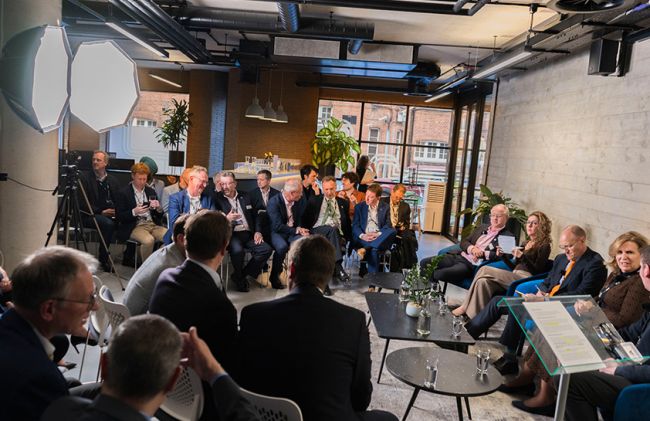
Following her session on stage interviewing Northern mayors, Steer Director and Northern lead Nicola Kane went on to chair our roundtable, Vision to Delivery: Embedding Vision-Led Planning in Transport Infrastructure.
The concept of vision-led planning (often referred to as "vision and validate" or "decide and provide") has existed for several years. The vision-led approach represents a significant paradigm shift from the traditional "predict and provide" method. So, while conceptually it has received widespread support from transport practitioners, it has taken a while to find its way into mainstream planning activity. However, vision-led transport planning is coming of age, as reflected by its inclusion in the new iteration of the National Planning Policy Framework (NPPF) last year.
At a time when transit-oriented development, placemaking, and sustainable economic growth are at the forefront of planners' minds – and we are working in an ever-more complex planning environment – vision-led planning is more important than ever in shaping places that work for everyone. However, now that vision-setting is firmly on the menu, a big focus of our discussion was how to ensure visions come to fruition.
Steer brought together a group from both inside and outside the transport industry to discuss best practices and lessons learned in how to make vision-led planning a reality.
Here are our key takeaways:
Vision-led should be people-led: A vision is stronger and more deliverable if a wide variety of people with broad insights and lived experiences have helped to shape it. This requires layers of ongoing engagement and a vision should always be sense-checked with a variety of stakeholders and the communities it will impact. Involving elected members in shaping a vision can also be very powerful to ensure political buy-in and leadership. A great example of this is the work Steer did with elected Members at Sheffield City Council to shape Sheffield’s new Transport Vision.
Vision-led should be funding-led: While a vision is more than the sum of its parts, the parts still matter. It is vital when creating a vision to understand the funding prospects of partners and how this will play into the dynamics of delivery. At a time when councils are pushed to deliver on challenging targets, in the housing sector, for example, understanding how integrating across departments and considering funding at a visioning level is essential. This is particularly relevant with the advent of more devolved integrated settlements, which can be used in a more flexible way and can help to leverage private investment, particularly when the shared vision for a place is clear.
Vision-led should be delivery-led: Can your vision survive contact with reality? It’s easy for well-designed visions to meet challenges when they reach the delivery or operations teams. For this reason, we need to involve the delivery and/or operations team at the visioning level to ensure the vision is both practical and solutions-focused. Integrating strategy and operations from the beginning will aid delivery. We discuss tools for codifying a vision, such as design guides and new analytical tools, to make it easier and clearer for practitioners to translate the vision into reality. TfGM’s Streets for All Design Guide is a great example of translating its vision for streets into a practical toolkit for designers.
Vision-led should be audience-led: A vision needs to reflect what’s important to communities and locals and visions should be tailored and communicated in a way that resonates with the local audience. Delivery can involve long periods of inconvenience for residents; the ability to effectively communicate why this is happening and how the result will address local concerns is indispensable. Regularly reminding people of the bigger vision and how changes will improve their everyday lives is critical. Manchester City Council’s current consultation on the transformation of Oldham Road as part of the wider Bee Network vision is a great example of this (New proposals to transform one of Manchester’s busiest roads revealed Improving Journeys - A62 Oldham Road).
With thanks to everyone who took part in our roundtable from across our industry, let’s make our visions a reality.