Steer builds on Automated Vehicle expertise with key report on implementation in the UK
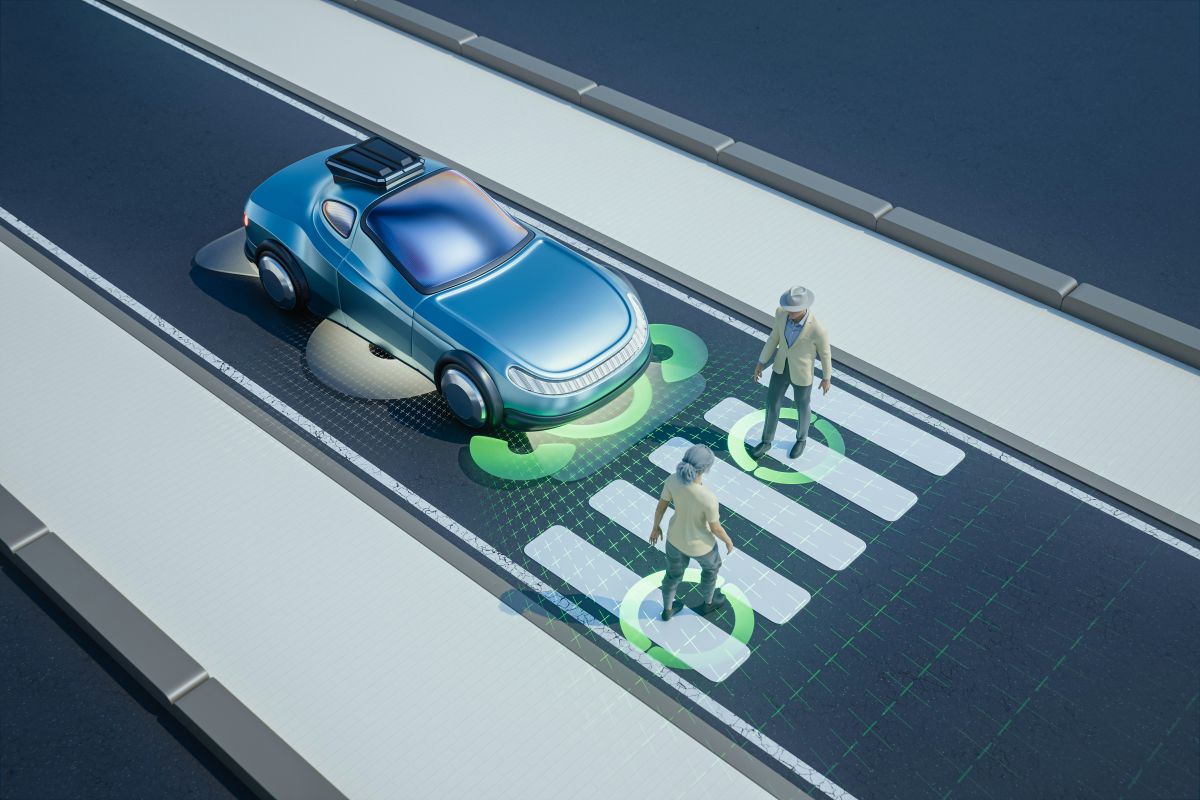
A new report from Steer and Fourth Economy explores the future of automated ridehailing in the UK, outlining the economic, social, and environmental impacts as the country moves closer to real-world deployment.
What impacts will automated ridehailing services have in the UK?
A new report by Steer & Fourth Economy explores just this, building on our expertise in the automated vehicle (AV) sector.
The report, prepared for the Chamber of Progress, comes at a pivotal moment for the UK as the Automated Vehicle Act 2024 is under development in Parliament.
AVs in the UK: The road ahead
In June 2025, the UK government announced plans to support public deployment and commercial pilots of Automated Passenger Services (APS) in England and Wales from as early as spring 2026.
Operators will be given permission to conduct pilots using automated taxi and bus-like vehicles without the presence of a safety driver in the vehicle. It will be possible for the public to book automated rides through an app, in a similar manner to established ridehailing services.
A wider roll-out of commercial automated services is expected by the end of 2027, with the full implementation of the Automated Vehicles Act secondary legislation in the second half of that year.
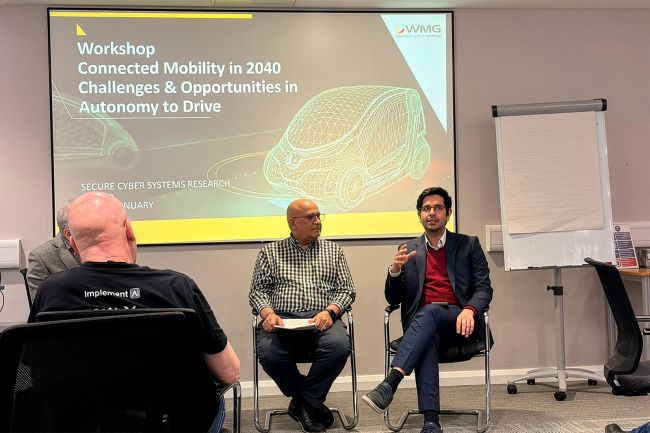
The report comes as Steer Associate Susmita Das chaired the Connected and Autonomous Mobility in action session at the Transport Technology and AI 2026 conference at the end of January, following Associate and AV specialist Bhavin Makwana’s appearance on a panel at the Warwick Manufacturing Group (WMG).
The key findings are, by 2050:
- Automated ridehailing fleet could reach 73,000 in the UK, up to 2% of the car parc
- Automated ridehailing services are expected to add £5.4 billion gross output and add £2.4 billion to GDP
- 52,000 jobs could be added across manufacturing and operations
- £24 million saved on social costs from safer roads
- 206 million kg CO2e emissions avoided
Susmita Das said:
This study aims to support future policy decisions and deployment, enhance public acceptance, and equip industry stakeholders with insights that can drive skills development and investment into the sector. With this project Steer's New Mobility team builds on our AV expertise and continues our work in the AV space, we're excited to be a part of this industry at such a pivotal moment for the UK.

Get ready for automated mobility
Automated passenger services are approaching commercial reality. Steer helps public and private sector leaders understand the implications and plan with confidence.
Contact our team to explore what automated vehicles could mean for your organisation.