Article

Connected autonomous vehicles: What next for the UK?

Bhavin Makwana reflects on the state of Connected and Automated Mobility in the UK, exploring how regulation, safety, resilience and public trust will shape the deployment of automated vehicles over the next decade.
By Steer

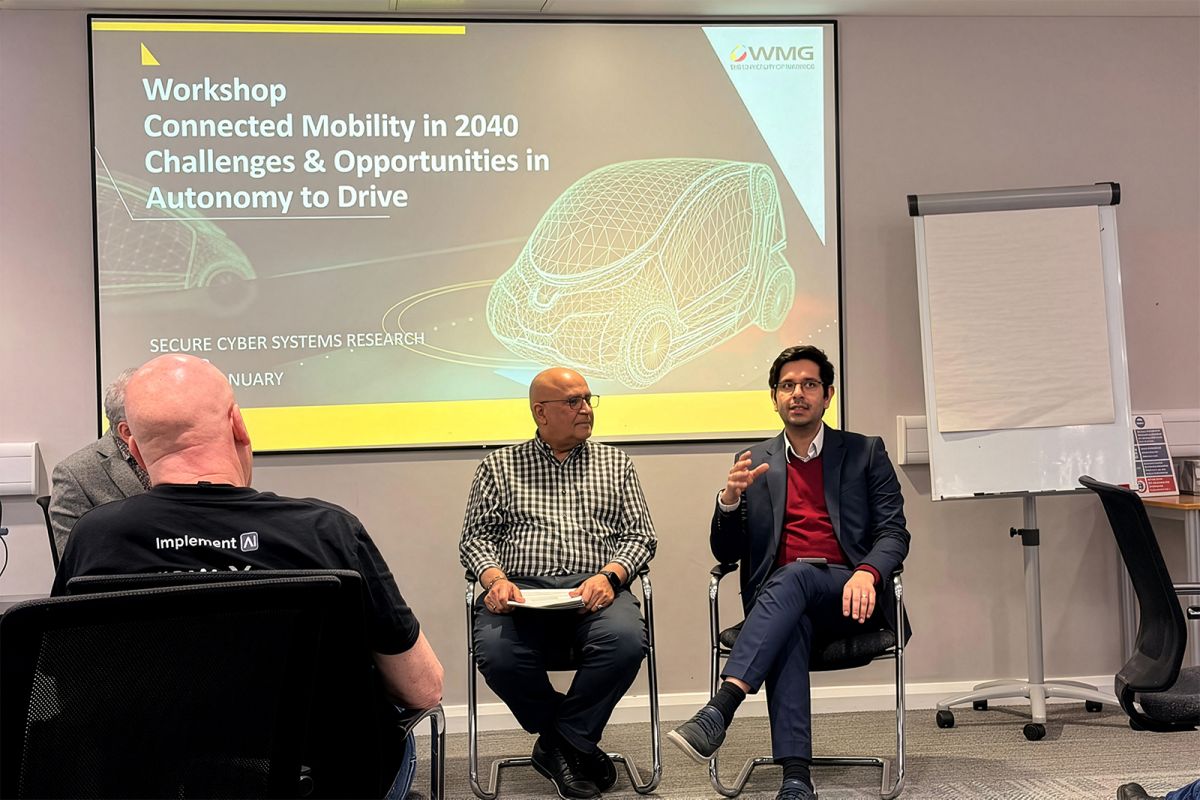
Last week I featured on a panel at the Warwick Manufacturing Group (WMG) workshop on Connected and Automated Mobility (CAM), it was a useful opportunity to reflect on where the UK is with both the regulation and deployment of autonomous vehicles (AV)

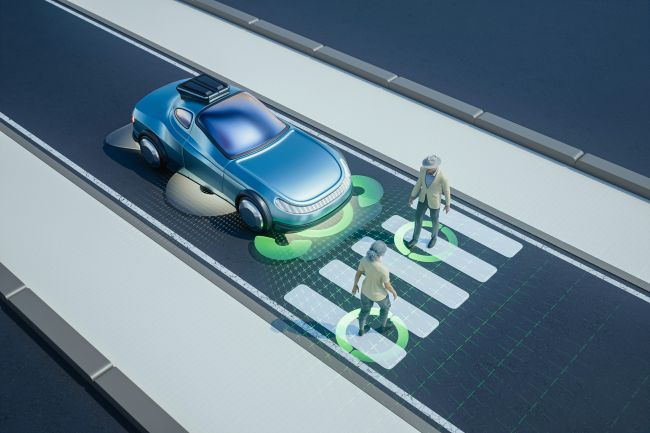
The Automated Vehicles Act received royal assent in 2024 and is undergoing further revisions for secondary legislation that is due in late 2027. A key aspect within the bill – to remove the safety driver currently required by law and the promise of an interim regulatory regime to allow earlier removal for passenger services that is coming this spring – has enabled automated ride-hailing (‘robotaxi’) organisations such as Waymo to announce that they will enter into the London market to media fanfare. 

AVs have multiple uses in addition to the headline grabbing self-driving cabs. CAM could revolutionise transit and logistics on private and commercial land, for example as part of airport ground operations. They could change mass public transit by serving underserved communities and routes by improving services at unsociable hours. In terms of freight CAM can offer first and last mile delivery solutions that suffer from driver shortages. 

The potential benefits are huge but to grasp the opportunities we need to ensure a robust approach to implementation. 

Safety and technical resilience: According to the UK Department for Transport, 88% of road traffic collisions have human error as a contributory factor. Safety benefits remain at the heart of the benefits of AV. CAM services also need to be designed with a level of technical resilience so that if a component fails a subsystem will take over to prevent harm or perform a minimal response manoeuvre (MRM). 

Cyber security: AV systems gather large amounts of data and connect widely with other components; this connectivity needs to be monitored and protected with many states now implementing data sovereignty legislation. 

Geopolitical uncertainty: A common thread across all industries, CAM is vulnerable to shocks to global supply chains both for factory components, software elements and server access. 

On top of this we need to design a way to safely integrate CAM into a system that will include pedestrians, cyclists and conventional motorists. We need to build public trust in CAM, navigating the high culpability placed on machine errors. Finally, we must ensure that CAM is user friendly so that prospective passengers are confident to travel without discouraging active travel. 

One way to improve this process is to have technical expertise integrated at the top level of legislative decision-making and to closely collaborate with industry experts. The Autonomous Vehicle Act is still under scrutiny and complex issues of authorisation and safety assurance (how will the safety of a system be measured) are still to be resolved. 

There are many potential forks in the road before we see robotaxis or AV busses on our streets, but the potential for CAM to improve transit across the board is undeniable. I’m a strong believer that truly revolutionary solutions succeed because they give us convenient options (think about smartphones and what they have enabled us to do), CAM is well placed to win over the public with the right legislation and implementation, with solutions serving a real need. 

If you’d like to discuss Connected and Automated Mobility and what it could mean for future transport systems, contact Bhavin Makwana.
Off

Subscribe to our newsletter, The Edit

We are Steer

Yes, you are in the right place. After 40 years, we have changed our name from Steer Davies Gleave to mark our growing international footprint and our expanding portfolio into sectors beyond transport.

Explore our new website to learn more about Steer: who we are, how we work and what our future holds.

Related insights

  • 19 Jan 2026
    Article

    Steer featured on the Electric Evolution podcast

    Elaine Meskhi
    Principal Consultant

    Expert insight on fair, accessible and future-ready EV charging from Steer’s contribution to the Electric Evolution podcast.

    Read more

  • 16 Jan 2026
    Article

    Building a safer road environment: practical measures to support the UK’s new Road Safety Strategy

    Dom Smith
    Dom Smith
    Associate

    Practical insight and evidence-led thinking on transport, places, and infrastructure shaping safer, fairer streets.

    Read more

  • 09 Jan 2026
    Article

    Fleet electrification, ports and aviation: Steer’s outlook on 2026 infrastructure transactions

    Jon Peters
    Associate Director

    As markets stabilise, this article explores what recent transport transactions signal for infrastructure investment in 2026.

    Read more

  • 05 Dec 2025
    Article

    Bus ridership 2024-25: How do different combined authorities fare across the UK?

    By Steer

    Bus ridership shifts revealed; discover where recovery is rising, stalling or slipping across the UK.

    Read more

  • 04 Dec 2025
    Article

    Steer’s production of new rail demand data for ORR shows renewed momentum across Great Britain

    Adam Stevens
    Adam Stevens
    Principal Consultant

    Explore how Britain’s rail demand is stabilising, with fresh ORR data revealing renewed growth and shifting journey patterns.

    Read more

  • 27 Nov 2025
    Article

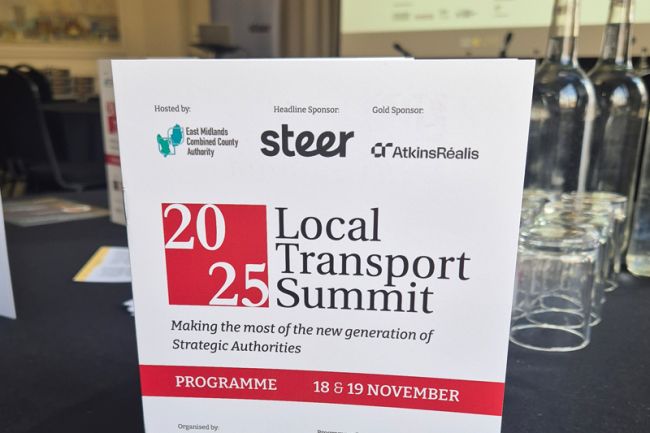
    What did we learn at the Local Transport Summit 2025?

    Simon Statham
    Director
    Nicola Kane
    Director

    Human-centred decision-making is shaping the future of local transport – here’s what we learned at the 2025 Summit.

    Read more

  • taxis
    24 Nov 2025
    Article

    Dynamic pricing: How can European cities adapt to this innovation in taxi fare setting?

    Susmita Das
    Susmita Das
    Associate

    How flexible fare models enhance performance and transparency for a more sustainable taxi system.

    Read more

  • 14 Nov 2025
    Article

    Britain’s rail stations: The ring of confidence

    Profile image
    Mike Goggin
    Managing Director, Transformation & Growth

    Exploring how greater industry confidence can shape stronger, more successful stations for 2035.

    Read more

  • 05 Nov 2025
    Article

    The Railway Bill: Building a new railway sector for Britain

    Profile image
    Mike Goggin
    Managing Director, Transformation & Growth

    The Railways Bill outlines the framework for reform – but its impact will depend on delivery and leadership.

    Read more

  • 22 Oct 2025
    Article

    Game Changers: The megatrends that will redefine global infrastructure

    Jon Peters
    Associate Director

    Our latest global insight report exploring the forces transforming how we move, power, and connect the world.

    Read more

  • 24 Sep 2025
    Article

    Steer brings ninth annual Local Transport Summit to the East Midlands

    By Steer

    Steer is proud to sponsor the 2025 Local Transport Summit in Derby, driving vital discussions on devolution and future transport.

    Read more

  • 18 Sep 2025
    Article

    Ancoats Mobility Hub: Enabling car-lite developments

    By Steer

    Steer supported the UK’s first purpose-built Mobility Hub with commercial modelling to enable sustainable, car-lite regeneration.

    Read more