Steer featured on the Electric Evolution podcast
In a recent episode of the Electric Evolution podcast, Steer’s EV infrastructure specialist, Elaine Meskhi, explores how charging networks must evolve to be fairer, more accessible, and fit for the next phase of electric vehicle adoption.

We are well into the first phase of the electric vehicle (EV) transition. So, how will the rollout of charging infrastructure unfold as new consumer segments adopt EVs? And how can we ensure no drivers are left behind?
These questions were answered by Steer’s EV infrastructure specialist, Elaine Meskhi, in the 173rd episode of Electric Evolution, a podcast about exploring how electrification and the shift to renewables are reshaping transport, energy, and society.
The episode, Making EV charging fair, accessible, and fit for the future, features a wide-ranging conversation with Elaine as she reflects on her early career, in which she was active in formative projects for the EV transition. Looking back more than a decade, she discusses to what extent the market, technology, and user expectations have shifted.
The episode explores how charging demand and usage patterns are likely to change over the next 10 years as new consumer segments adopt EVs, and what this means for the scale, location, and design of charging infrastructure.
Elaine also shares practical guidance for local authorities on EV infrastructure strategies, from setting a clear strategic direction through to delivery, including the importance of engaging early with Distribution Network Operators (DNOs) to understand network constraints, anticipated charging behaviour, and opportunities to reduce costs before going out to procurement.
Elaine describes how changes in regulations on the electricity network operators translate to changes in connection costs and other non-commodity energy costs for CPOs, relating this to the disparity between the cost of charging at public versus private infrastructure.
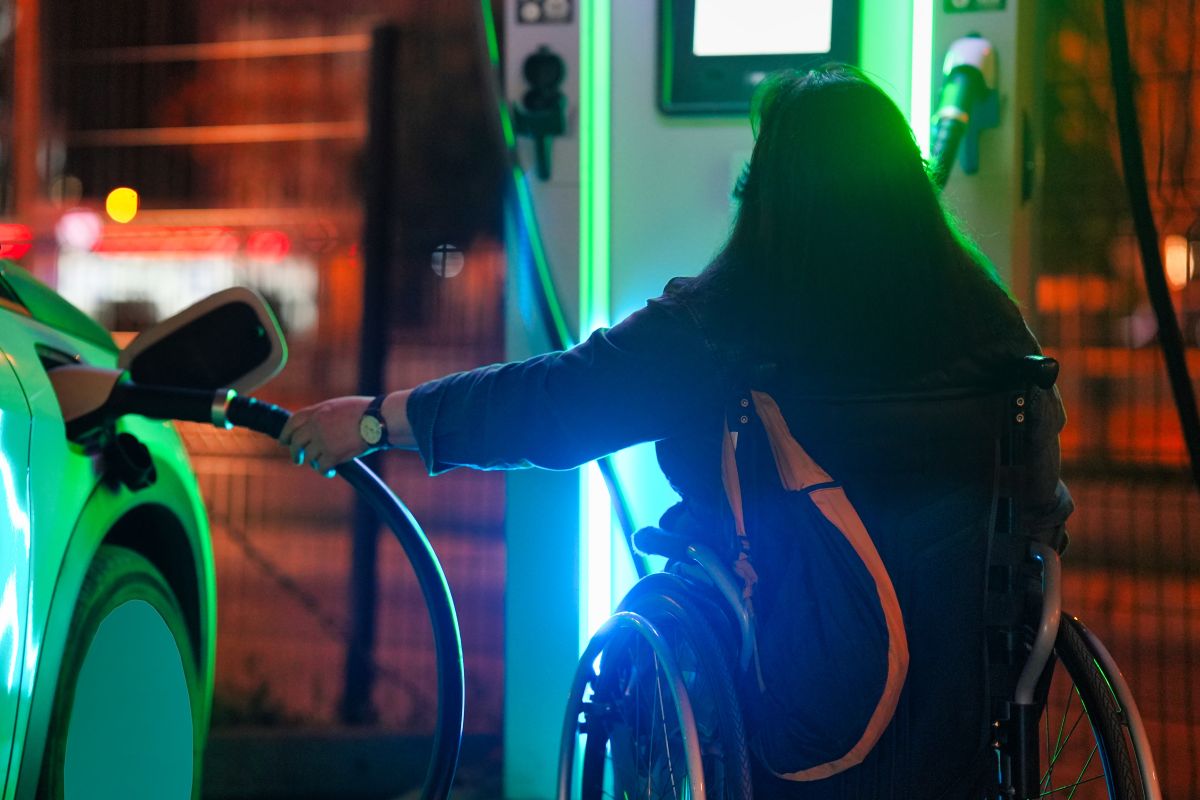
A central theme of the discussion is accessibility. Elaine challenges narrow definitions of accessible charging, explaining why it must account not only for wheelchair users but also for people with neurodivergence, hidden disabilities, temporary injuries or impairments, older drivers, and those less confident with digital technology.
Drawing on real-world audits and personal experience, she highlights how inclusive design can make the difference between infrastructure that technically exists and infrastructure that genuinely works.
“Accessibility isn’t about one group of people,” says Elaine. “It’s about recognising that at different points in our lives, all of us will have different needs, and the charging network has to work for that reality.”
The themes discussed in the podcast closely align with Steer’s ongoing work supporting public authorities and industry to deliver fair, effective, and future-ready EV charging and sustainable transport.
Recent projects include our research into the cost and pricing of public electric vehicle charging, which examines how charging costs are set and experienced by users, and how pricing structures can better support equitable uptake of electric vehicles.
This thoughtful and practical discussion reflects Steer’s commitment to inclusive, evidence-led infrastructure that works for people, places, and the long term.
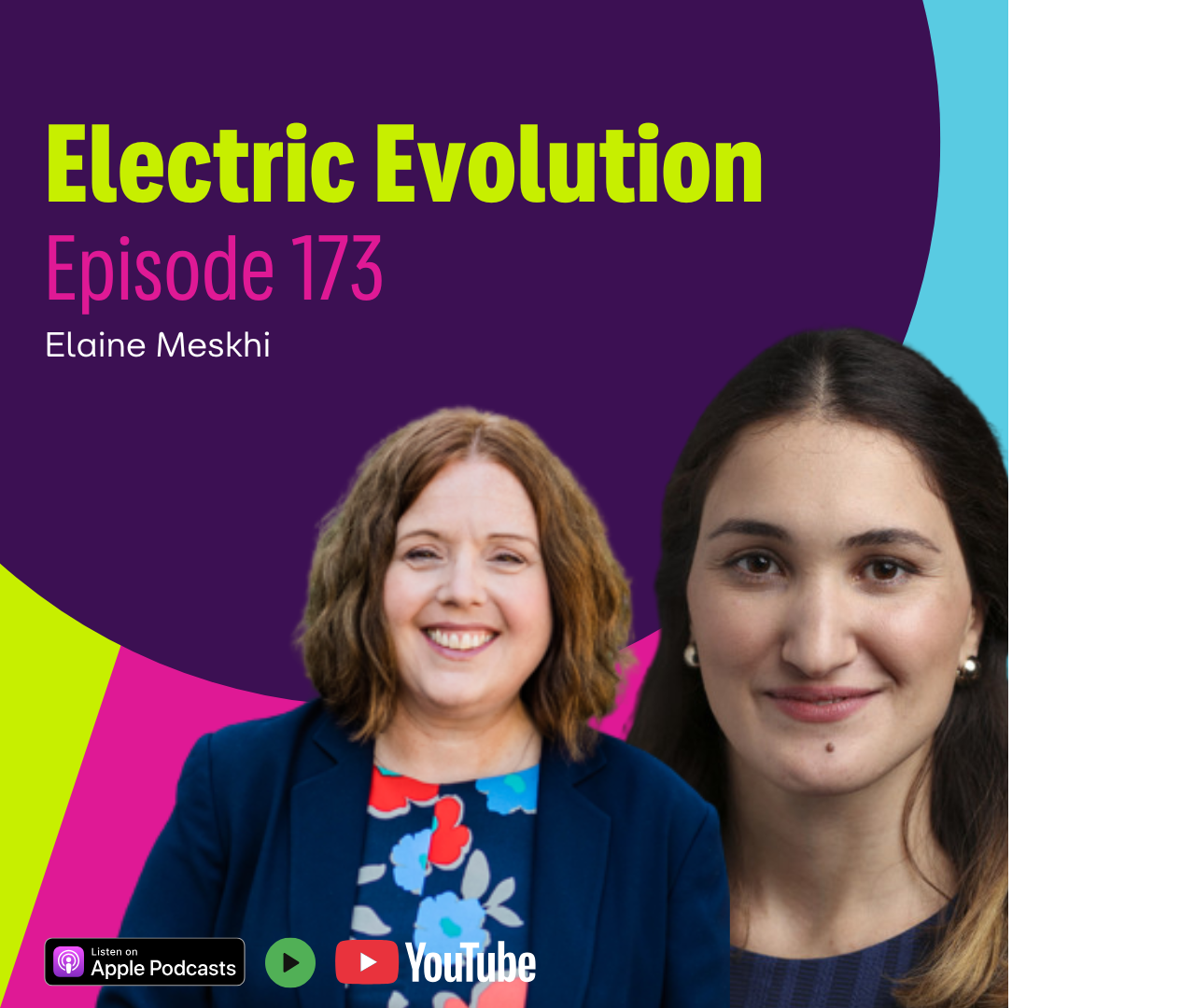 How to tune in: The episode is available on Spotify and Apple Podcasts, with the full conversation also on YouTube.

Turning insight into inclusive EV charging
If you’re looking to design fair, accessible, and future-ready EV charging infrastructure, our team works with public authorities and industry partners to develop strategies that respond to real-world needs and constraints.